1. Safety talk
The team explains how to avoid sticks, what to do if someone is exposed and who should stay out of the area.
Elkridge, MD · Howard County
One needle usually means there could be more. In Elkridge, call (877) 812-4220 for a careful sweep of the property, safe collection of every sharp and cleaning of the surfaces they lay on.
If anyone is in danger, call 911 first. For a suicide crisis, call or text 988.
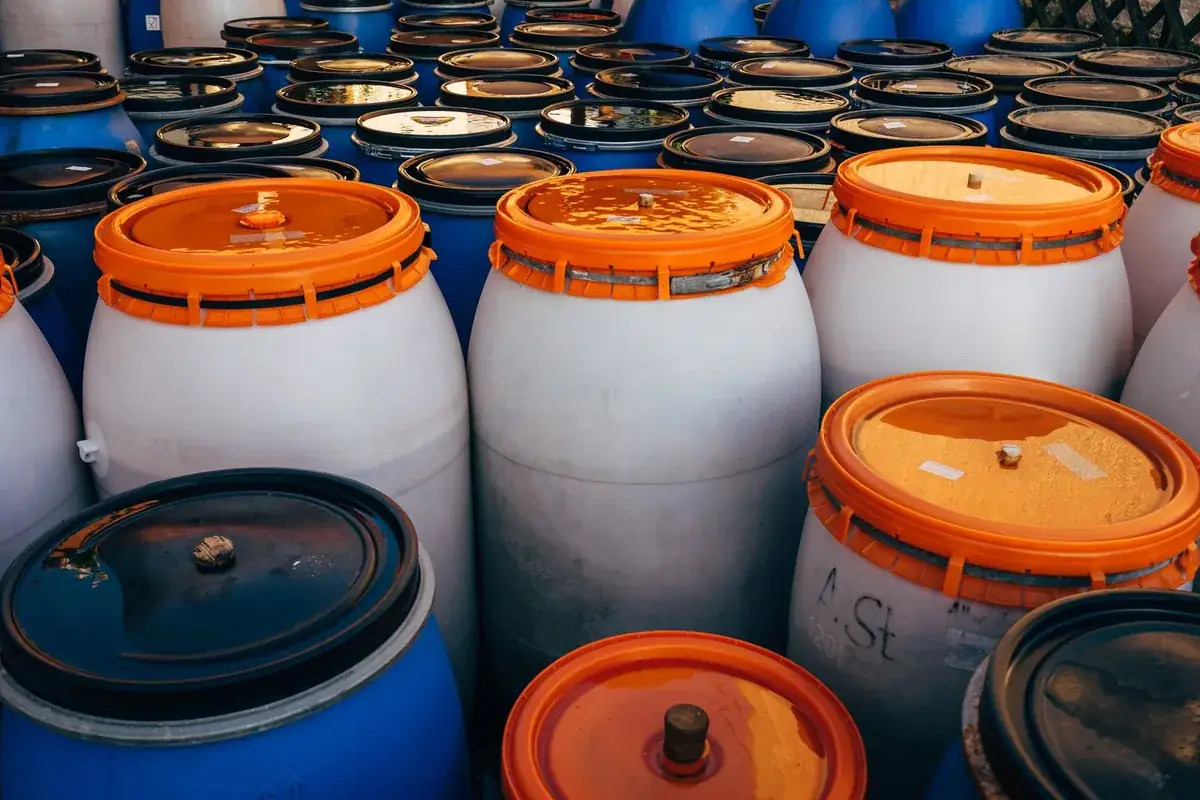
Used needle disposal means placing needles and syringes into rigid containers made to resist punctures, then sending them to a facility that treats medical waste. It keeps workers, children and pets safe.
Treat a found needle in Elkridge as a safety problem first, and call Elkridge Biohazard Cleanup Help for help anywhere in Howard County. The team keeps people clear, collects sharps into sealed containers and disinfects any surface that came into contact with them, so your property is safe again.
With roughly 38% of Elkridge households renting, turnover is common and units are checked between tenants. A stick, cut or splash should be checked by a doctor without delay. University of MD Baltimore Washington Medical Center in Glen Burnie serves people in and around Elkridge.
What needle & sharps cleanup covers:
The team explains how to avoid sticks, what to do if someone is exposed and who should stay out of the area.
Crews check under rugs, inside vents, in pockets of clothes and in other spots where syringes are tucked away.
Sharps are locked in secure containers marked for medical waste.
The crew removes the containers, double-checks the space and answers questions before leaving.
The cost of needle & sharps cleanup in Elkridge, MD depends on the amount of material, how it is packed and how it is hauled.
Access can raise or lower the price. Locked units, stairs, fences and long travel distances all play a part.
| Type of job | Typical range |
|---|
Published ranges only (); every needle & sharps cleanup job in Elkridge is priced after an on-site look. Price drivers include number of items, where they are found, whether a sweep of a large area is needed, waste disposal. Questions? Call (877) 812-4220.
Loose needles should not go in household trash, because they can stab sanitation workers. Rules for small amounts of household sharps vary by city and county. The local health department can say what is allowed, and a cleanup team can take larger amounts.
A small yard or single room can be quick, while a building or large lot takes longer. Clutter, hidden spots and the amount of sharps affect the time. A cleanup team can give a realistic idea once it hears the details.
The crew searches the whole area with protective gear and tools. It collects each sharp into a puncture-resistant container, cleans surfaces where sharps lay, and hauls the sealed containers away. A final walk checks that nothing was missed, and the team can provide a record.
Wash the area with soap and water and get medical care right away. Call 911 in an emergency, or Poison Control with exposure questions. Tell the doctor what happened and where the needle was found, if you know. Do not wait to see whether symptoms appear.
Lease terms and local law decide. A landlord, an attorney or a tenant rights group can say who is responsible. In many cases the property owner books the sweep first so the unit can be used again, and the cost is sorted out afterward.
Do not go in to look. Report it to the owner, the local health department or a cleanup team. A team can sweep the whole building in protective gear, remove the sharps and give the owner a record of the work.
Stay back, keep others away and let a cleanup team handle the sharps.
Call (877) 812-4220